Spring and early summer focus: efficiency and airflow
With spring storms and dusty air in many Colorado neighborhoods, start by changing the air filter and cleaning the outdoor unit from debris. This keeps airflow steady and helps the system run efficiently through the warmer days. A technician should inspect the refrigerant level and verify that the defrost control is functioning correctly as temperatures rise.
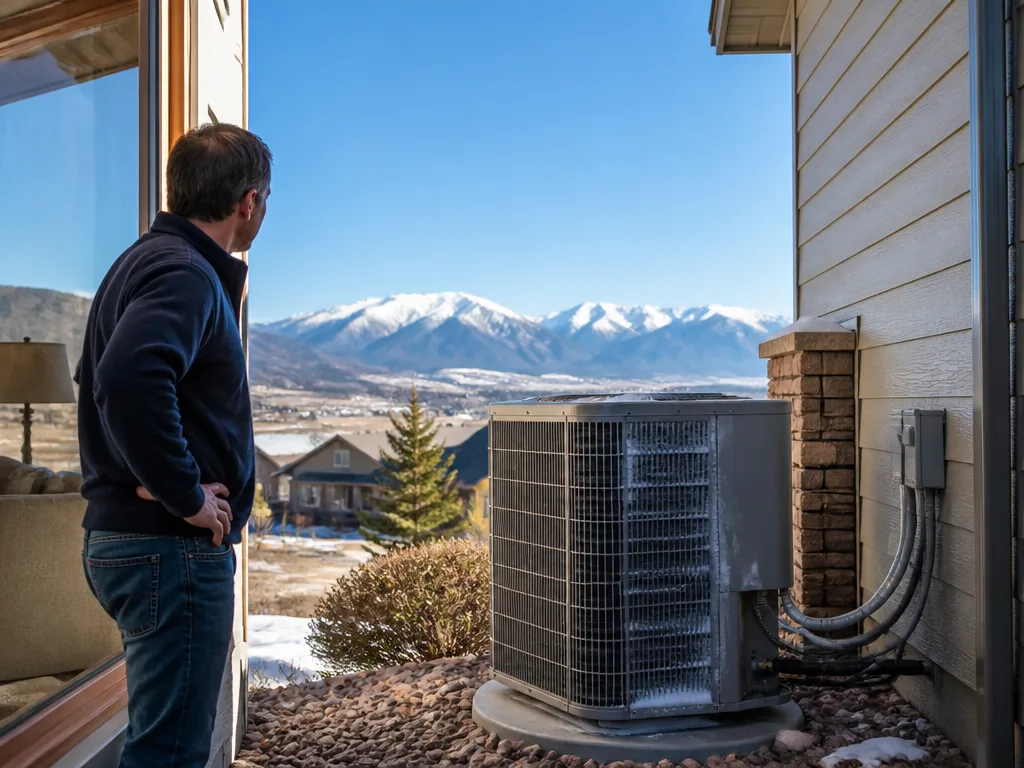
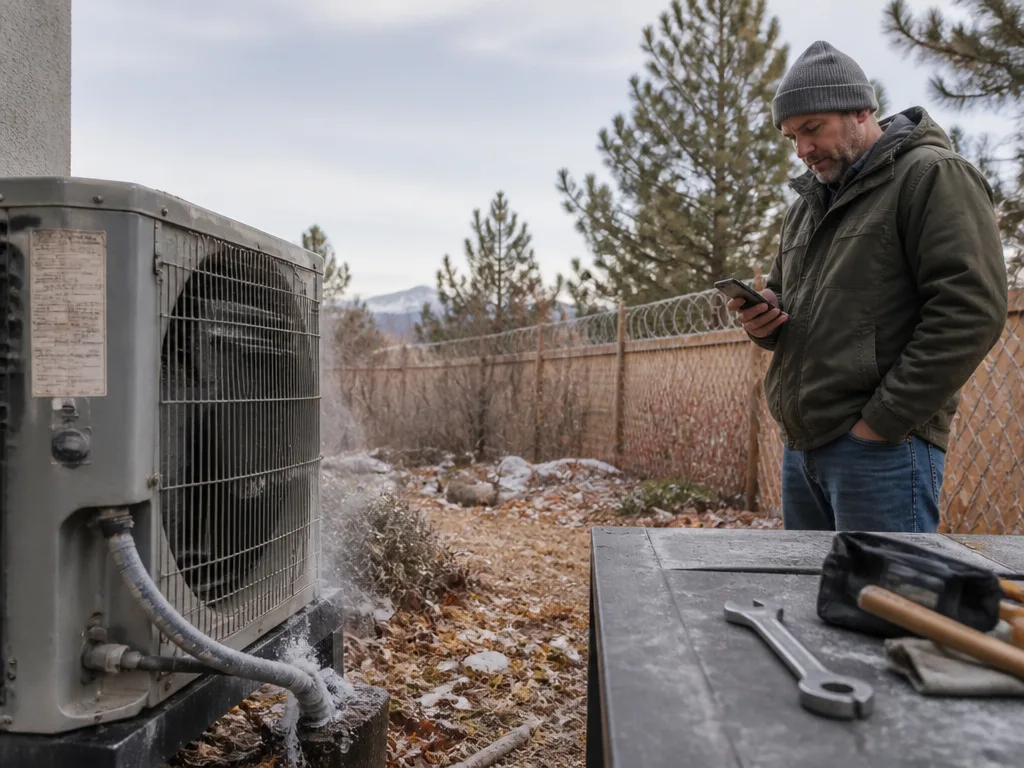
Check the condensate drain for clogs to prevent water backups that can affect humidity control inside the home. If you notice frost on the outdoor coil during warmer days, it’s a sign to schedule a check; improper defrost or refrigerant issues can cause ongoing inefficiency.
Fall into winter: prepare for heating demands
As temperatures drop, ensure the system can switch to heating smoothly. Test the heat mode and listen for unusual sounds that may indicate belt wear, fan motor issues, or loose components. A tune-up before the coldest weeks can prevent outages when the snow flies across Colorado.
Inspect the thermostat compatibility with the system and ensure it’s programmed for comfortable winter settings. Clean the indoor air path and check filters monthly as indoor humidity tends to rise in heating season while outdoor conditions push the unit to work harder.
Year-round upkeep that pays off
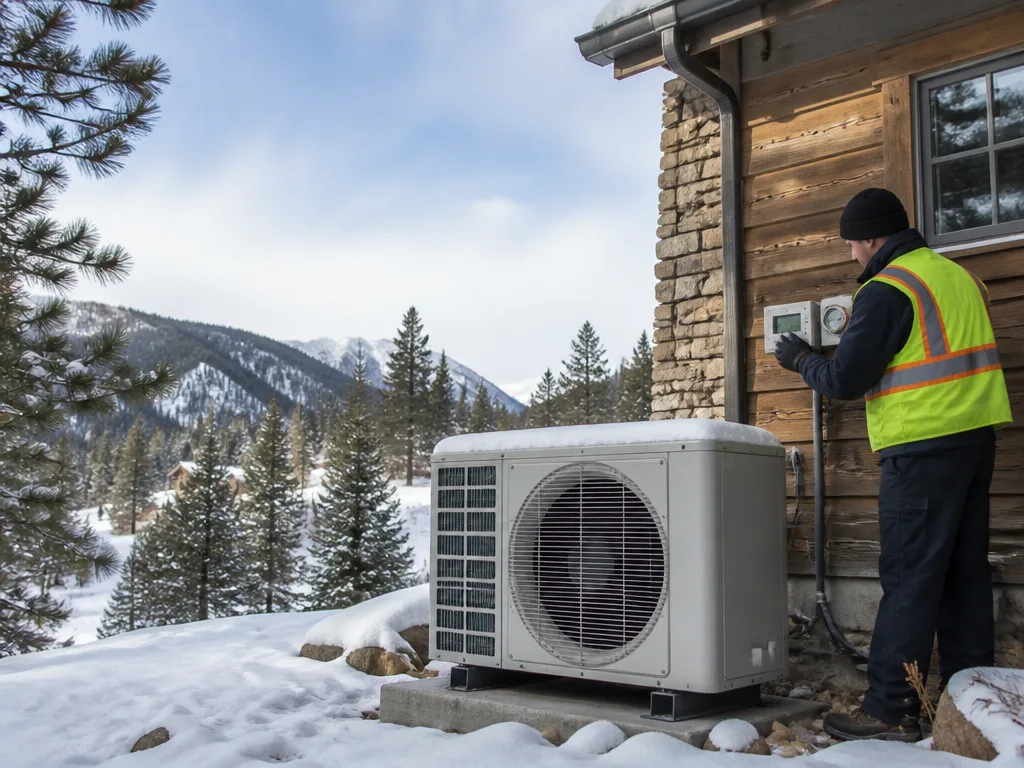
Schedule a professional inspection at least once a year. Our Colorado Heat Pump Pros technicians perform a comprehensive check that covers electrical connections, refrigerant charge, airflow, and overall performance. Regular maintenance helps extend equipment life and protects your operating costs across Colorado.
Practical reminders: replace filters every 1 to 3 months, keep vents unobstructed, and note any changes in comfort or noise. If you’re unsure about a symptom, call our crew for a statewide evaluation. We’ll tailor a maintenance plan to your home’s layout, your comfort preferences, and Colorado’s seasonal needs.