Noticeable odd noises and performance changes
Colorado homeowners often notice their heat pump running more than usual or making unusual sounds. Rattling, grinding, or screeching from outdoor units can indicate loose components, a failing fan motor, or refrigerant issues. If you hear banging or clanking when the system cycles, shut it off and call our team. Ignoring these sounds can lead to bigger problems in any Colorado season.
Another common signal is inconsistent cooling or heating. If one room never feels comfortable or the system seems to struggle to reach set temperatures, there may be airflow restrictions, a dirty filter, or a refrigerant leak. Our HVAC technicians diagnose why a room is underperforming and recommend practical next steps across Colorado terrain.
Rising energy use and equipment short cycling
Noticeable jumps in energy bills without a change in usage pattern can point to inefficiencies. A heat pump that short cycles, turns on and off rapidly, wears components faster and can raise wear and tear across Colorado crews. Short cycling is often caused by thermostat issues, refrigerant problems, or a defective defrost control. If you observe frequent cycling, it’s time for a professional check.
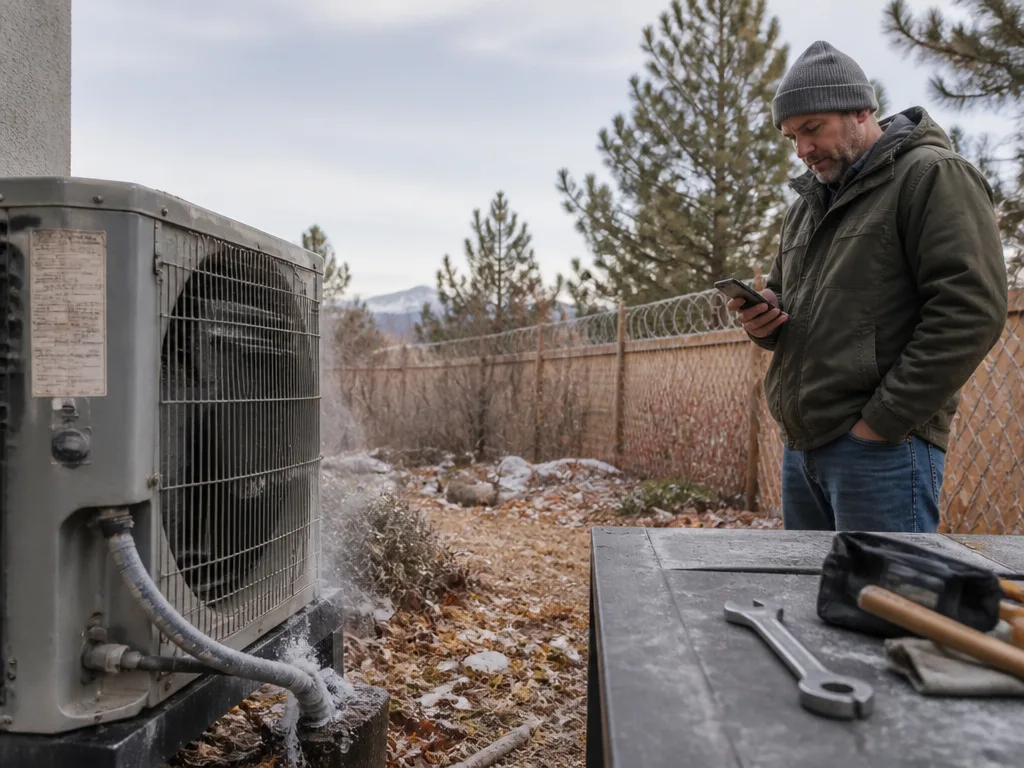
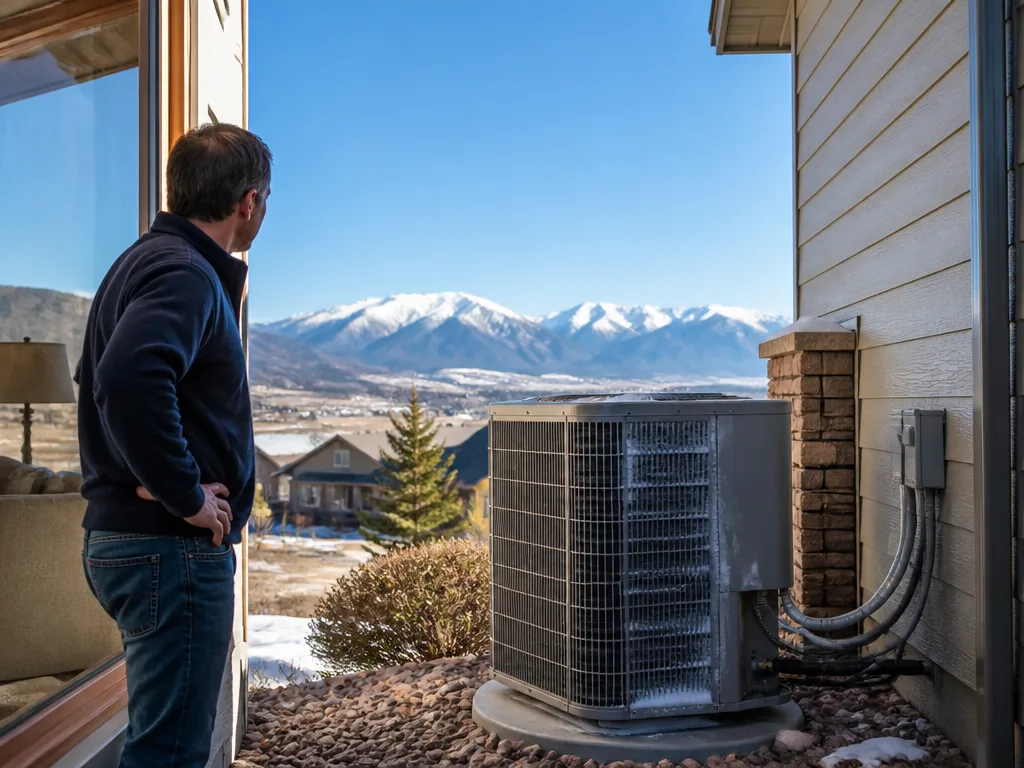
Keep an eye on the defrost cycle in winter. If the outdoor coil remains frosted for long periods or never seems to defrost, efficiency drops and the system must work harder. Our Colorado Heat Pump Pros team evaluates defrost performance and ensures the system operates reliably in cold snaps.
Water leaks and unusual humidity
Any sign of moisture inside the living space or pooling near the outdoor unit deserves attention. A condensate leak can indicate a drainage issue or a clogged line. Excess humidity in summer areas may signal improper refrigerant charge or a faulty expansion valve. Our technicians identify the source and provide targeted repairs to remove moisture safely across Colorado homes.
In summary, listen for bangs, clanks, odd noises, and feel for temperature inconsistencies. If something feels off, calling a qualified HVAC technician early saves time and money across Colorado. We aim to fix issues before they become outages in winter or the peak of summer heat.
What to do now
Document what you notice, including time of day and the outdoor temperature. Check the air filter and thermostat settings, then note any error codes on the thermostat. If you can do so safely, inspect the outdoor unit for debris like leaves or snow. When you’re ready, contact Colorado Heat Pump Pros for a same-week assessment across Colorado. Our team arrives prepared and keeps the process transparent with clear explanations.
Helpful questions to ask during the call
- What could be causing the symptom I described?
- Do you see an immediate safety risk or possible refrigerant issue?
- What are the options if a repair is needed versus a replacement?